


Blogs, Joint Pain, TCM, TCM For Elderly
Cervical Spondylosis in TCM: A Pattern-Differentiation Approach
03
Oct
Oct
Cervical Spondylosis in TCM: Causes, Symptoms & Evidence
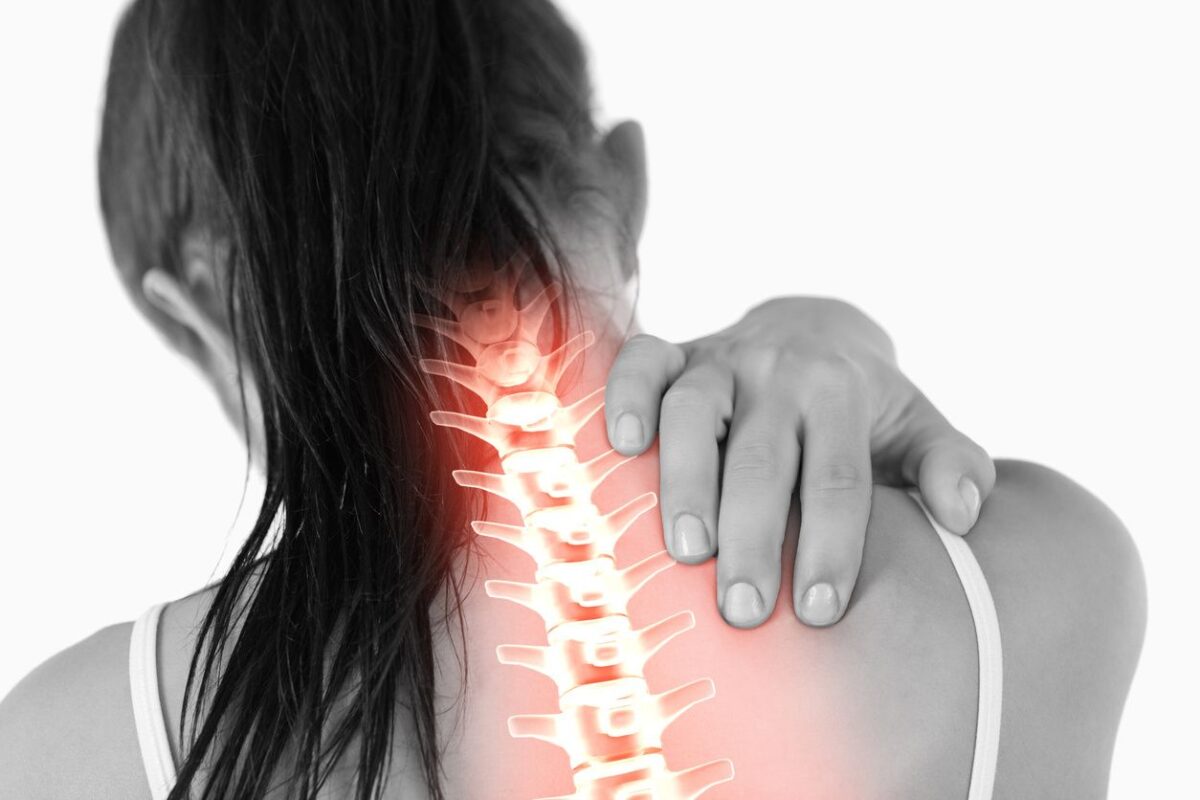
Cervical spondylosis in TCM (Traditional Chinese Medicine) is a common chronic neck condition in modern life. With widespread computer and smartphone use, more young adults are experiencing neck problems. Typical symptoms include neck soreness and stiffness, limited range of motion, and sometimes dizziness, upper-limb numbness, tinnitus, or blurred vision.
From a biomedical perspective, cervical spondylosis relates to intervertebral disc degeneration, osteophyte formation, and nerve compression. From the TCM perspective—treating the body as an integrated whole—it is often associated with external wind-cold-damp pathogens, qi stagnation and blood stasis, liver-kidney deficiency, and phlegm-damp obstruction. (If you’re new to TCM theory, see our guides to Qi, the Meridian system, and the Five Elements. A quick overview is here: Beginner’s Guide to TCM.)
Modern Drivers of Cervical Spondylosis / Neck Discomfort
-
Prolonged sitting at work → Static posture impairs circulation and increases cervical loading.
-
Head-down device use → Sustained flexion leads to stiffness, pain, and limited range of motion.
-
Psychological stress → Constrains liver qi and disrupts qi-blood flow, aggravating cervical spondylosis symptoms.
-
Aging / deconditioning → Liver-kidney insufficiency and under-nourished tendons/bones in TCM terms.
Global Burden and Epidemiology
According to the World Health Organization (WHO), neck disorders are among the leading musculoskeletal conditions impacting quality of life and work productivity. The Global Burden of Disease (GBD) 2019 estimated that over 200 million people worldwide suffer from neck pain, with an age-standardized prevalence of about 27 per 1,000 people (2.7%). Further, a 2024 analysis in PAIN reported that from 1990 to 2019, global incidence, prevalence, and years lived with disability (YLDs) due to neck pain increased by more than 70%. In China, a study in the Journal of Global Health showed that cases rose from 37.9 million in 1990 to 68.0 million in 2019, with YLDs increasing by 78%.
For natural daily support alongside clinical care, see our curated Joint Care herbal products.
TCM View: Why Cervical Spondylosis Arises in TCM
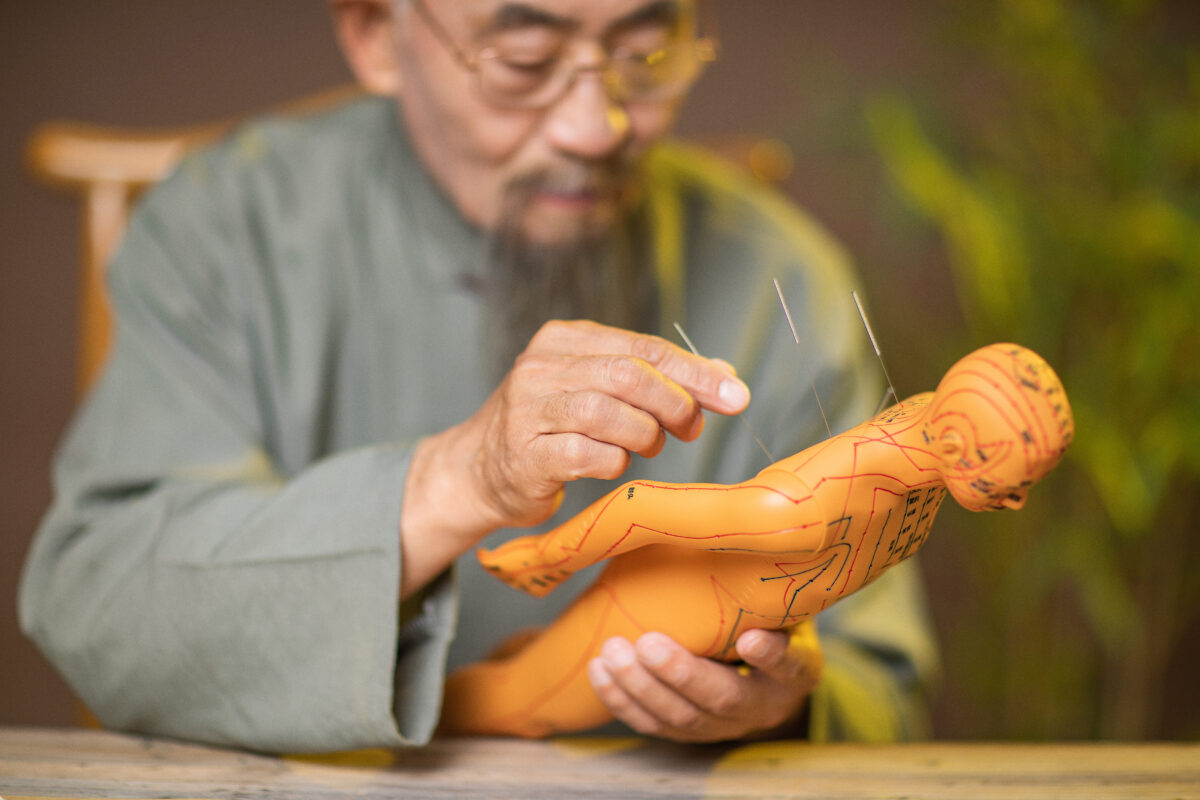
TCM views cervical spondylosis as a multi-factorial condition shaped by both external pathogens and internal imbalances.
-
Invasion of wind–cold–damp: External pathogens block the channels; stiffness and pain often worsen with cold exposure.
-
Qi stagnation & blood stasis: Overuse or injury disrupts qi and blood flow along the meridians, so pain becomes fixed or stabbing.
-
Liver–kidney deficiency: With age or weakness, liver blood and kidney essence decline; tendons/bones lose nourishment and degeneration accelerates (see Five-Element thinking on zang-fu balance).
-
Phlegm–damp obstruction: A rich, greasy diet impairs spleen transport, generating phlegm-damp that obstructs channels and causes heaviness or dizziness (related reading: how TCM helps clear dampness).
Classical texts state: “When wind, cold and damp converge, bi-syndrome results.”
-
Liver governs the tendons → Abundant liver qi keeps the neck supple and flexible.
-
Kidney governs the bones → Robust kidney qi stabilizes the cervical spine and supports structure.
-
Smooth qi–blood flow → Harmonised qi and blood along the meridians helps prevent stiffness and pain.
As recorded in the Huangdi Neijing: “When qi and blood are in harmony, all diseases are prevented.” This principle guides cervical spondylosis care in TCM: not only relieving pain, but restoring systemic balance through herbal medicine, acupuncture, and lifestyle regulation.
TCM Treatment Modalities for Cervical Spondylosis
Note on evidence: The findings below summarize commonly reported clinical experience and studies. Individual results vary, and high-quality randomized trials are still developing for many techniques.
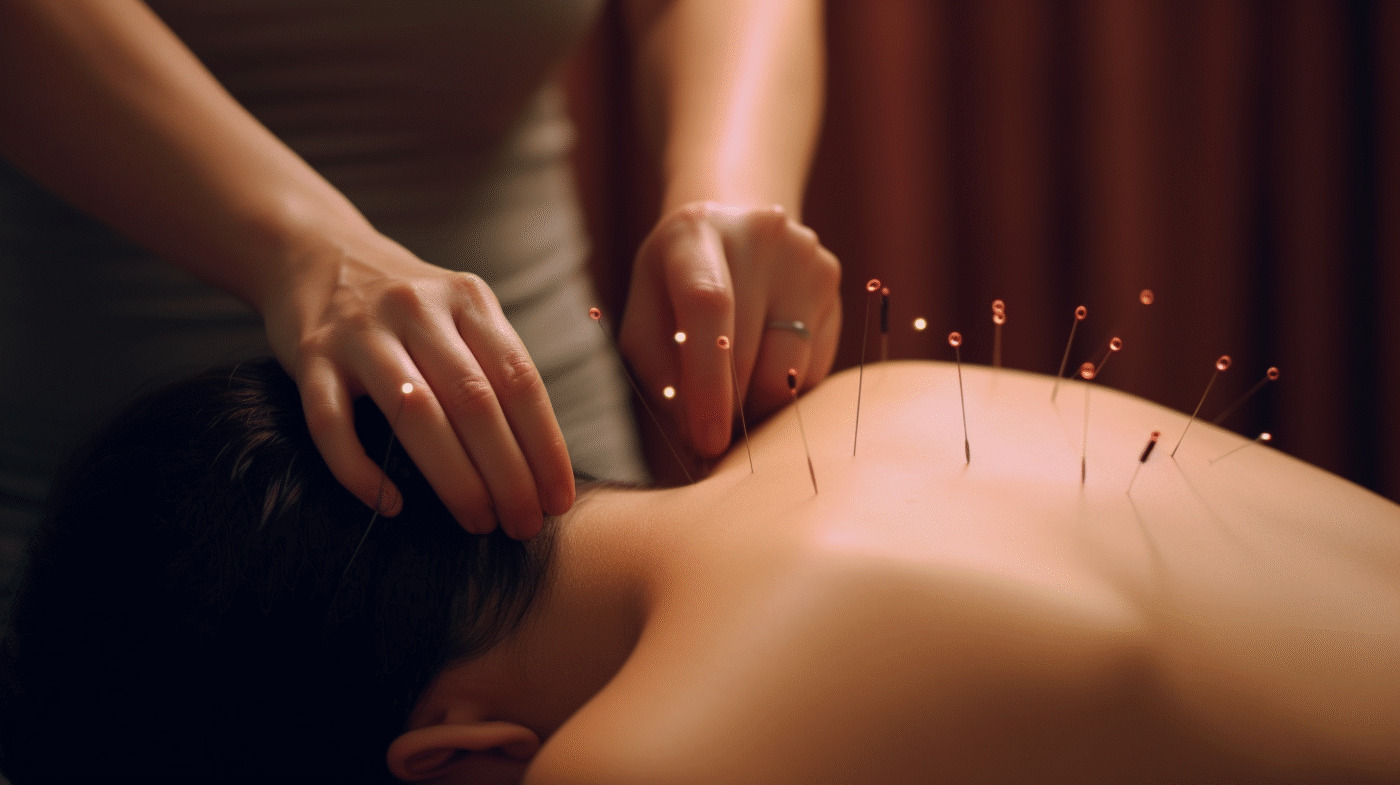
1) Acupuncture for Cervical Spondylosis in TCM
-
Common points: Fengchi (GB20), Tianzhu (BL10), Jianjing (GB21), Dazhui (DU14).
-
Classical basis: Classical sources describe using these points for rigid neck and headache to dispel wind–cold and open the channels.
-
Proposed mechanisms: Modulates the nervous system and muscle tone; improves local perfusion. From a TCM view, needling helps regulate qi along the meridians, easing stiffness and pain in cervical spondylosis. Modern studies suggest endorphin and 5-HT release contributes to analgesia and relaxation.
-
Clinical data: Many trials report meaningful symptom relief in patients with cervical spondylosis; reported response rates often fall around ~70–85% in real-world and small RCT settings (methods vary).
-
Best for: Neck stiffness, shoulder-neck heaviness, headaches/dizziness.
-
Caution: Use care with bleeding risks and avoid deep needling near carotid structures.
2) Tui-na (Manual Therapy) for Cervical Spondylosis Relief
-
Techniques: Point-pressing, rolling, gentle traction, kneading.
-
Rationale: Relaxes hypertonic musculature, reduces adhesions, restores segmental mobility, and promotes qi-blood flow (consistent with meridian regulation).
-
Evidence: Rehabilitation literature suggests improved range of motion and pain relief; pairing with therapeutic exercise may reduce recurrences compared with either alone.
-
Best for: Limited range of motion and chronic mechanical neck pain.
-
Caution: Use care in acute inflammation, vertebral artery–type symptoms, and significant osteoporosis.
3) Moxibustion in the Management of Cervical Spondylosis
-
Indications: Wind-cold-damp patterns with cold-sensitive, cool-to-touch areas.
-
Common points: Dazhui (DU14), Shenshu (BL23), Jianzhongshu (SI15).
-
Classical basis: The Huangdi Neijing notes that warming methods may benefit “cold-lodged” disorders.
-
Mechanisms: Thermal stimulation may enhance microcirculation and tissue metabolism; thermal imaging studies show increased surface temperature and improved local blood flow post-moxa.
-
Caution: Sensitive skin, fever, or bleeding tendencies warrant caution.
4) Cupping & Gua-sha for Cervical Spondylosis
-
How they may help:
Cupping: Negative pressure dilates capillaries and may accelerate local metabolite clearance.
Gua-sha: Mechanical shear may facilitate lactate and inflammatory by-product dispersal.
-
Clinical use: Some reports suggest adding cupping to acupuncture can enhance short-term pain relief versus acupuncture alone.
-
Caution: Avoid on broken skin; use caution with coagulopathies.
5) Herbal Support for Cervical Spondylosis in TCM
Principle: Pattern-based formulas to tonify liver–kidney, strengthen tendons/bones, and move blood.
-
Commonly used herbs:
Eucommia (杜仲), Dipsacus (续断): Tonify liver–kidney, support tendons/bones.
Chuanxiong (川芎), Salvia miltiorrhiza (丹参): Invigorate blood, support microcirculation.
Angelica sinensis (当归), Taxillus/Sangjisheng (桑寄生): Nourish blood, calm spirit, ease fatigue.
-
Modern pharmacology (summary): Eucommia lignans show bone-supportive effects in models; tanshinones/salvianolic acids show anti-inflammatory, microcirculatory support; Angelica constituents show analgesic/anti-inflammatory and hematopoietic support.
Formulas cited in practice: Duhuojisheng Tang, Xuefu Zhuyu Tang and others are often selected and modified based on individual patterns in cervical spondylosis.
Integrated care: Combinations (e.g., acupuncture + manual therapy) are frequently reported to outperform a single modality for pain relief, mobility and relapse prevention; many clinics note overall effectiveness above ~80% in routine practice (comparative research is still evolving).
👉 For natural daily options, explore our curated Joint Pain herbal products.

Daily Care & Prevention for Cervical Spondylosis
-
Posture: Avoid prolonged static positions; maintain the neck’s natural lordosis.
-
Movement: Gentle neck mobility drills, Tai Chi, or Baduanjin—performed regularly and without sharp end-range rotation.
-
Dietary support: Black sesame, walnuts, and goji berries are traditional options to nourish liver–kidney.
-
Work–rest balance: Break up screen time; schedule micro-movement every 30–60 minutes.
-
Mood regulation: Stress management helps maintain smooth qi flow (see the Meridian guide to understand channel regulation).
Besides clinical therapies, patients may also benefit from herbal remedies tailored for musculoskeletal health. Learn more about our Joint Pain herbal products.
FAQ on Cervical Spondylosis & TCM
Q1. How long until I feel better with TCM?
-
Acute flares: Many patients experience relief after 3–5 acupuncture sessions.
-
Chronic cases: Plan for 4–12 weeks of structured care (e.g., weekly acupuncture + home exercise + targeted herbs), then reassess.
Q2. Can I exercise with cervical spondylosis?
-
Yes—moderate and well-guided movement supports recovery. Choose controlled mobility/strengthening and avoid sudden, forceful neck twisting.
Q3. Is acupuncture safe?
-
When performed by a licensed practitioner, acupuncture is generally safe. Inform your clinician about bleeding risks, anticoagulants, or cardiovascular issues.
Q4. Is cervical spondylosis hereditary?
-
There is no simple inheritance pattern. Instead, lifestyle, ergonomics, and constitution play major roles in cervical spondylosis progression.