


Blogs
Understanding How Emotions and Organs Are Connected In TCM!
Apr
Have you ever noticed how your breathing becomes shallow when fear grips you, or how your face flushes with heat during moments of intense frustration? These aren’t just coincidental physical reactions – according to Traditional Chinese Medicine (TCM), these sensations are more than just reactions—they’re clues to the deep connections between your emotions and organ health.”
While Western medicine often treats emotional and physical symptoms separately, TCM shows us that they’re inseparable. Each of our organs has a unique relationship with specific emotions, and understanding these connections can transform how we approach both emotional and physical wellbeing.
This understanding offers powerful insights for modern life. When we’re constantly worried, it affects our digestive system. When grief lingers, our lungs feel the impact. By recognizing these relationships, we can take a more complete approach to health – one that addresses both mind and body together.
Whether you’re dealing with persistent emotional challenges, unexplained physical symptoms, or simply seeking to understand your body-mind connection better. In this guide, we’ll show you how your organs and emotions work together, recognize signs of imbalance, and discover natural ways to support your emotional and physical health. You’ll learn practical daily practices and understand when TCM treatment might be beneficial for restoring harmony in your life.
Understanding The Five Organ-Emotion Relationships

In Traditional Chinese Medicine, our body operates as an intelligent network powered by Qi – our vital life force. This energy flows through our organs, not only supporting their physical functions but also influencing our emotional experiences. When Qi flows smoothly, we maintain emotional balance. When it becomes blocked or depleted, both physical and emotional symptoms can arise.
This delicate balance is governed by two fundamental concepts: Yin-Yang and the Five Elements. Yin and Yang represent opposing yet complementary forces – like rest and activity, or calm and excitement. Each organ needs both aspects to function optimally. Too much Yang might show up as intense emotional outbursts, while excessive Yin could manifest as emotional withdrawal.
The Five Elements – Wood, Fire, Earth, Metal, and Water – create a framework that explains how our organs and emotions interact. Each element corresponds to specific organs and emotions:
- Wood governs the Liver and relates to anger
- Fire rules the Heart and connects to joy
- Earth influences the Spleen and links to worry
- Metal controls the Lungs and ties to grief
- Water guides the Kidneys and relates to fear
TCM’s Diagnostic Approach
TCM practitioners take a holistic approach to diagnosing emotional imbalances. They assess physical symptoms, emotional states, and lifestyle factors to identify patterns of disharmony.
Key Diagnostic Methods:
- Pulse Diagnosis: Practitioners feel for variations in pulse strength, rhythm, and quality to assess organ health and emotional imbalances.
- Tongue Observation: The color, shape, and coating of the tongue reveal clues about internal disharmony.
- Visual and Behavioral Cues: Practitioners observe complexion, posture, and emotional demeanor to understand underlying issues.
Common Patterns of Disharmony:
- Liver Qi Stagnation: Caused by unexpressed anger, leading to irritability, tension, and headaches.
- Spleen Qi Deficiency: Triggered by overthinking or worry, causing fatigue and digestive problems.
- Kidney Yin Deficiency: Resulting from chronic fear or stress, leading to exhaustion and lower back pain.
Rather than focusing solely on symptoms, TCM aims to treat the root cause of emotional imbalances. By restoring Qi flow, balancing Yin and Yang, and harmonizing the Five Elements, practitioners help patients achieve long-term emotional and physical health.
The Five Organ-Emotion Relationships
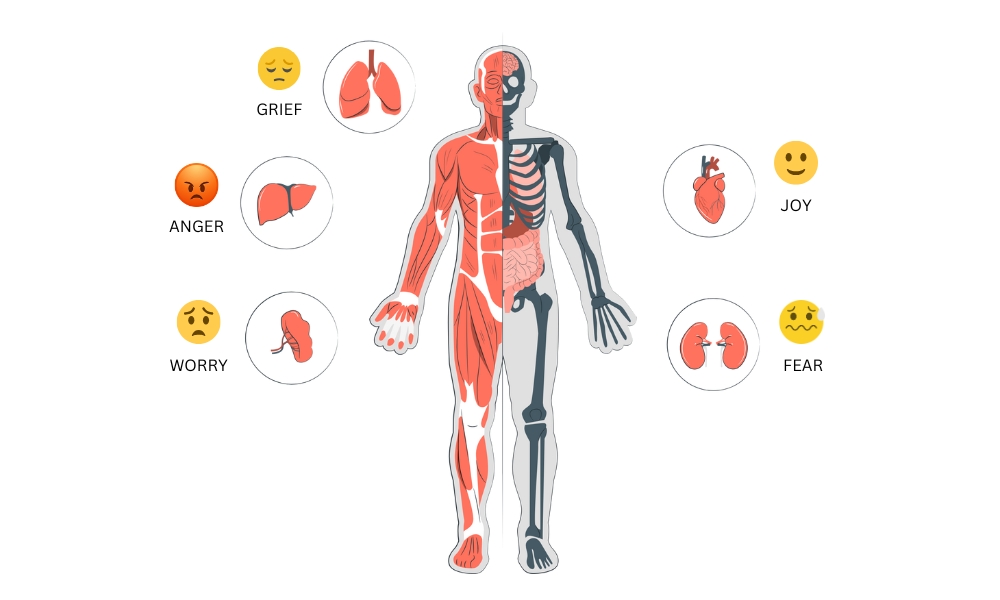
Now that we understand how emotions and organs are interconnected through Qi, Yin-Yang, and the Five Elements, let’s explore each organ-emotion relationship in detail. Each organ system in TCM has its own characteristics, tendencies, and ways of maintaining harmony. When we experience emotional challenges, they often manifest as physical symptoms in their corresponding organs. Similarly, supporting these organs through diet, lifestyle, and specific practices can help balance our emotional states. Let’s examine each pair in detail, exploring their unique relationships and discovering practical ways to restore balance in both body and mind.
Liver and Anger
The liver is responsible for the smooth flow of Qi throughout the body, ensuring physical and emotional harmony. It governs emotional regulation and decision-making, acting as a “commander” of sorts. Anger is the liver’s primary emotion—when balanced, it fuels motivation and assertiveness. However, excessive anger or repressed frustration can stagnate liver Qi, leading to both emotional distress and physical tension. This organ is strongest during spring and between 1-3 am, embodying the rising, expansive energy of its Wood element.
Signs of Imbalance:
- Physical Symptoms: Tension headaches, especially around the temples, muscle tension (especially in the shoulders and neck), digestive discomfort, or a feeling of fullness in the chest.
- Emotional Symptoms: Irritability, frustration, impatience, or an inability to express anger appropriately.
Things to Do to Regain Balance:
- Targeted Exercises: Engage in aerobic activities like brisk walking, jogging, or martial arts to release pent-up energy and encourage Qi flow. You can also practice gentle stretching and yoga poses that twist and stretch the sides of the body.
- Diet Recommendations: Incorporate bitter greens (e.g., dandelion, kale, arugula) and sour foods (e.g., lemon, vinegar) to support liver health. Avoid fatty or greasy foods that can stagnate Qi.
- Lifestyle Adjustments: Practice stress-reduction techniques like journaling, mindfulness, or spending time outdoors in nature. Maintain a consistent sleep schedule, aiming to rest between 11pm-3am.
- DIY Acupressure: Massage the Liver 3 point (between the big toe and second toe) for a few minutes daily to unblock stagnant Qi.
Heart and Joy
The heart is considered the “house of the mind” (Shen) in TCM, governing emotional warmth, mental clarity, and our capacity for joy. Balanced joy fosters a sense of fulfillment and connection. However, too much excitement or a lack of joy can disrupt the heart’s energy, leading to overstimulation, restlessness, or feelings of emptiness. Associated with the Fire element, the Heart’s energy peaks in summer and between 11am-1pm.
Signs of Imbalance:
- Physical Symptoms: Palpitations, insomnia, chest tightness, excessive sweating, or hot flashes.
- Emotional Symptoms: Anxiety/ panic attacks, mental confusion or poor memory, overexcitement, disturbing dreams, or an inability to feel joy, leading to sadness or apathy.
Things to Do to Regain Balance:
- Grounding Exercises: Practice meditation or spend time in calming environments, such as a quiet park or by water, to reduce overstimulation. Engage in rhythmic activities like dancing, practice heart-opening yoga poses
- Diet Recommendations: Include cooling and hydrating foods, such as cucumbers, watermelon, and mint. Eat red foods like tomatoes, red berries, red beans. Avoid excessive caffeine, alcohol, or spicy foods that overstimulate the heart.
- Lifestyle Adjustments: Cultivate meaningful relationships and focus on activities that bring genuine fulfillment rather than fleeting excitement.
- DIY Acupressure: Stimulate the Heart 7 point (on the wrist below the pinky finger) to calm the mind and balance emotions.
Spleen and Worry
The spleen plays a crucial role in digestion and nutrient absorption, transforming food into energy (Qi) for the body and mind. It also governs mental focus and clarity. Worry and overthinking overburden the spleen, disrupting its ability to nourish the body, which can lead to digestive issues and fatigue. The Spleen’s energy is strongest in late summer and between 9am-11am, when our digestive fire is at its peak.
Signs of Imbalance:
- Physical Symptoms: Bloating, muscle weakness, easy bruising, poor appetite, fatigue, weakened immunity, cold hands and feet.
- Emotional Symptoms: Overthinking, indecision, or feeling mentally stuck.
Things to Do to Regain Balance:
- Gentle Exercises: Practice tai chi or qigong to strengthen spleen Qi and relax the mind.
- Diet Recommendations: Focus on warm, cooked foods like soups, stews, and root vegetables. Consume yellow and orange foods and try to limit dairy and sugar intake. Avoid cold or raw foods that strain the spleen.
- Lifestyle Adjustments: Set a structured daily routine, including regular meal times and mindfulness practices to calm an overactive mind.
- DIY Acupressure: Massage the Spleen 6 point (about four fingers above the inner ankle) to boost digestion and alleviate worry.
Lungs and Grief
The lungs govern respiration and the immune system in TCM, promoting openness and clarity. Emotionally, they are tied to grief and letting go. Healthy lungs help us release emotions and embrace change. When grief lingers or is unresolved, it weakens the lungs, leading to physical and emotional symptoms. The Lungs’ energy peaks in autumn and between 3am-5am, when our body naturally begins its cleansing processes.
Signs of Imbalance:
- Physical Symptoms: Shortness of breath, frequent colds, chronic cough, skin problems, weak voice, low energy, or tightness in the chest.
- Emotional Symptoms: Persistent sadness, depression, difficulty letting go, or feeling emotionally “stuck.”
Things to Do to Regain Balance:
- Targeted Exercises: Try deep, diaphragmatic breathing to improve lung capacity and emotional release. Try swimming and chest-opening yoga poses.
- Diet Recommendations: Nourish the lungs with white-colored foods such as pears, almonds, and cauliflower. Eat warming spices like ginger, white pepper and choose foods rich in vitamin c. Avoid overly spicy or fried foods and reduce dairy when congested.
- Lifestyle Adjustments: Spend time outdoors in fresh air and focus on reflective practices, such as journaling or talking with a trusted friend.
- DIY Acupressure: Stimulate the Lung 7 point (on the wrist, near the thumb) to release grief and support respiratory health.
Kidneys and Fear
The kidneys store vital energy (Jing) and are associated with growth, reproduction, and resilience. They also help regulate the body’s response to stress. Fear and insecurity, when prolonged, deplete kidney energy, leaving us feeling drained and emotionally fragile. The Kidneys’ energy is strongest in winter and between 5pm-7pm, when we need to draw on our deep reserves of strength.
Signs of Imbalance:
- Physical Symptoms: Lower back pain, knee weakness, hair loss or premature graying, fatigue, frequent urination, and reproductive issues.
- Emotional Symptoms: Chronic anxiety, easily startled, low self-confidence, insecurity, or difficulty managing stress.
Things to Do to Regain Balance:
- Relaxation Techniques: Practice restorative yoga, guided meditation, or progressive muscle relaxation to alleviate fear and replenish energy. You can also practice gentle lower back exercises, tai chi or qigong.
- Diet Recommendations: Incorporate kidney-nourishing foods like black beans, seaweed, walnuts, and warming teas (e.g., ginger or cinnamon). Include dark foods, sea vegetables and fish in your diet. Avoid excessive salt.
- Lifestyle Adjustments: Focus on creating stability in daily routines and addressing sources of fear through healthy boundary-setting or therapy.
- DIY Acupressure: Massage the Kidney 1 point (on the sole of the foot) to ground energy and reduce feelings of fear or anxiety.
How TCM Can Help with Emotional Imbalances
When self-care practices aren’t enough to restore emotional balance, TCM offers several powerful treatment methods that can help. Each approach works differently to regulate Qi flow and restore harmony between organs and emotions.
Acupuncture
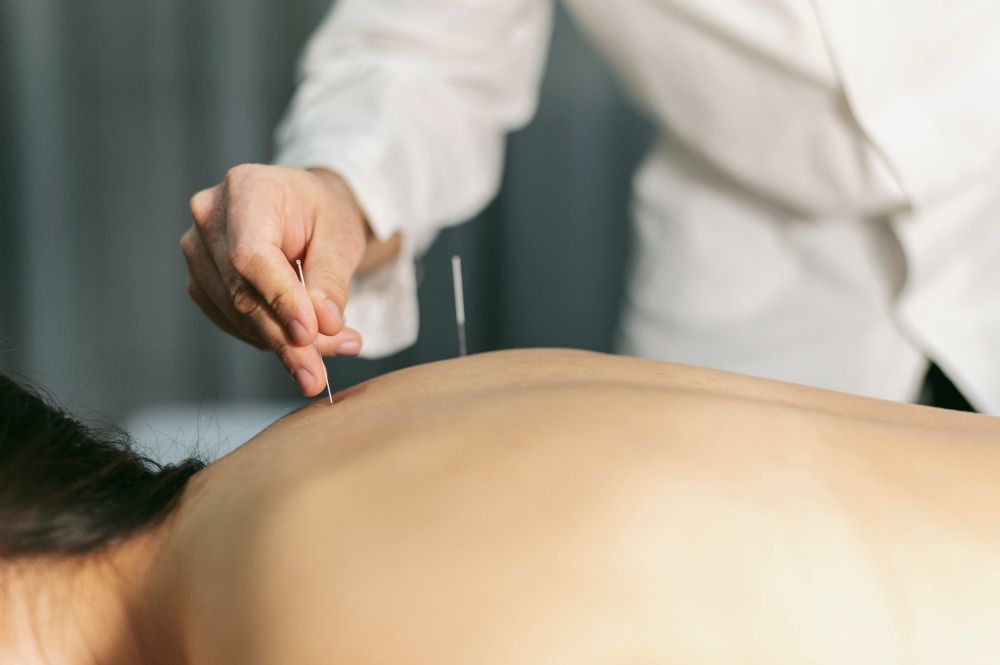
Acupuncture is one of the most well-known TCM techniques for balancing emotions. By inserting fine needles into specific acupuncture points, practitioners regulate the flow of Qi through the meridians, promoting emotional and physical balance.
How It Helps:
- Relieves emotional tension by unblocking stagnant Qi.
- Targets specific points related to organs and emotions (e.g., Liver 3 for anger or Heart 7 for anxiety).
- Stimulates the release of endorphins, reducing stress and promoting relaxation.
Chinese Herbal Medicine
Herbal formulas are tailored to address both emotional and physical symptoms by harmonizing the affected organ systems. Each herb is chosen based on its properties and its ability to restore balance.
Popular Herbs for Emotional Imbalances:
- Anger (Liver): Bupleurum, skullcap.
- Joy (Heart): Jujube seed, lotus seed.
- Worry (Spleen): Licorice root, ginseng.
- Grief (Lungs): White peony root, astragalus.
- Fear (Kidneys): Rehmannia, ashwagandha.
Qigong and Movement Therapy
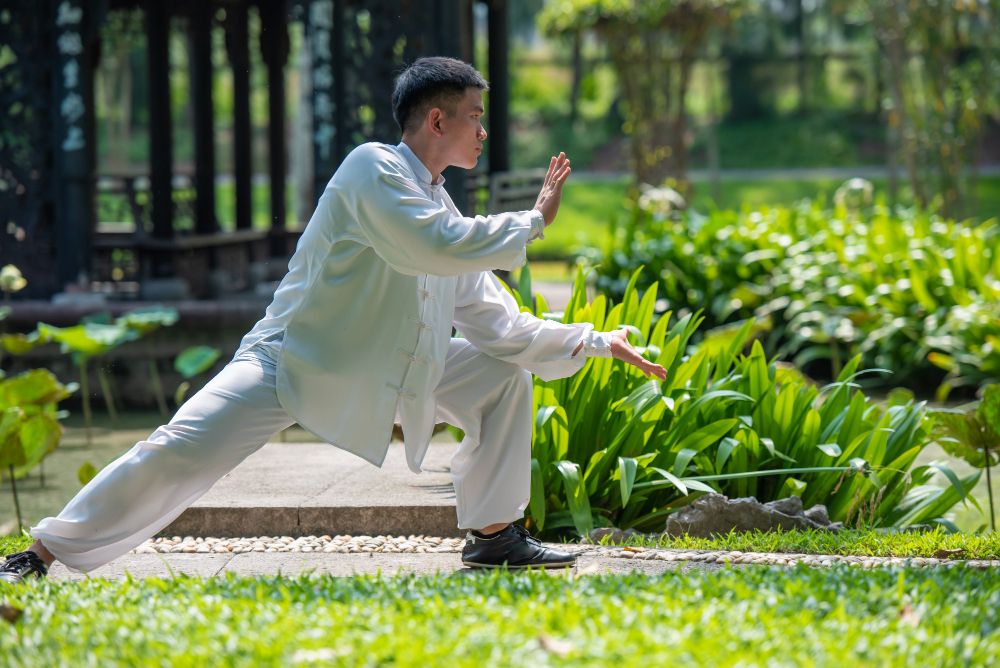
Qigong, a meditative movement practice, combines breath control, posture, and mindfulness to balance Qi. It is particularly effective for emotional well-being, as it integrates physical movement with mental focus.
How It Helps:
- Encourages Qi flow and reduces stagnation caused by repressed emotions.
- Promotes relaxation and awareness of emotional states.
- Can be tailored to address specific organs and their related emotions (e.g., kidney-focused exercises to reduce fear).
When to Seek TCM Treatment
While DIY practices and lifestyle adjustments can be helpful, professional TCM treatment may be necessary in certain cases:
- When emotional imbalances persist despite self-care efforts.
- If physical symptoms linked to emotional health, such as digestive issues or chronic pain, become severe.
- For individuals seeking a personalized, integrative approach to managing emotional health.
A qualified practitioner will:
- Assess your unique pattern of disharmony
- Create a personalized treatment strategy
- Combine appropriate treatment methods
- Monitor your progress
- Adjust treatments as needed
- Provide ongoing support and guidance
The best results often come from combining professional treatment with self-care practices, creating a comprehensive approach to emotional wellness.
Conclusion
Understanding the connection between emotions and organs in TCM opens a new pathway to emotional wellness. By recognizing which organs are affected by specific emotions, you can take proactive steps through diet, movement, and lifestyle changes to maintain emotional balance.
When self-care isn’t enough, professional TCM treatments like acupuncture, herbal medicine, and qigong can provide additional support. At Tong Jum Chew, our experienced TCM physicians can help you develop a personalized treatment plan that addresses both your emotional and physical well-being. Visit our clinics in Singapore for professional consultation, or explore our TCM online store for quality TCM products to support your wellness journey.