


TCM
Understanding the Role of Lungs and How to Boost Them
Apr
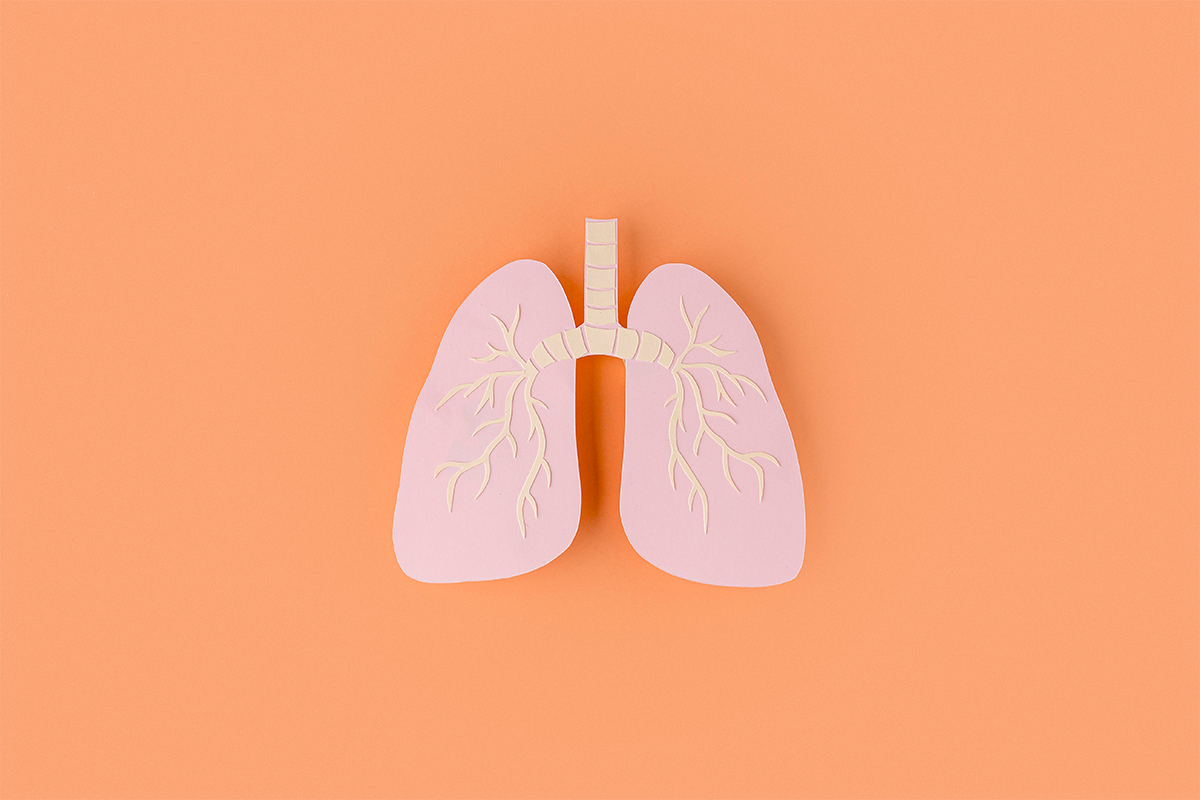
The human body is an amazing machine, and the lungs play an essential role in the human body, providing oxygen and removing carbon dioxide from the bloodstream. Without them, our bodies couldn’t function properly, and it is impossible to survive without healthy lungs.
Introduction to Traditional Chinese Medicine (TCM) and its Focus on Balancing the Body’s Natural Energies
Traditional Chinese Medicine (TCM) is an ancient medicine system used to prevent, diagnose, and treat illnesses. TCM attempts to restore bodily harmony by balancing the body’s opposing elements based on a system of Yin and Yang. This article will provide an overview of the lungs as viewed by TCM and remedies to boost their function and keep them healthy.
TCM Perspective on the Lungs

The TCM Understanding of the Lungs and Their Role in the Body
From TCM perspective, our lungs contribute to the overall “Qi” of the body by maintaining a free circulation of “Qi” around the body. The lungs are part of the body that is in charge of the transport of Qi around the body and regulating it. The lungs are an important part of the respiratory process, as they take in oxygen and carbon dioxide from the outside air to supply it with Qi. Due to the lungs Qi’s unique dispersing and descending functions, oxygen helps optimise lung function, allowing carbon dioxide to be discharged from the lungs through the nose and mouth. Both ascending and descending parts enable air to be exhaled through the nose or mouth. With complementary functions of the lungs Qi working together, smooth oxygen exchange is also achieved. In TCM, respiration and grief are both believed to be interconnected since the lungs are the first physical defence line against external pathogens. The primary function of the lungs is to take in and disseminate Qi. Accordingly, unprocessed grief will harm the lungs’ functionality by consuming Qi, resulting in exhaustion, lethargy and decreased breath. Indeed, our lungs will experience lung Qi deficiency, lung Yin deficiency and cold dampness obstructing the lungs.
The Link Between the Lungs and the Emotion of Grief in TCM
In TCM, the lungs are associated with the emotion of grief due to their connection to the breath, which is linked to the expression of emotions. Imbalances in the lungs can manifest as emotional disturbances related to sadness and grief, while unresolved feelings of grief can also cause lung imbalances. TCM recognises a link between the lungs and the emotion of grief, with imbalances in the lungs manifesting as emotional disturbances related to sadness and grief. You can use TCM techniques such as acupuncture and herbal remedies to support emotional well-being and promote lung health.
TCM Techniques to Support Lung Health
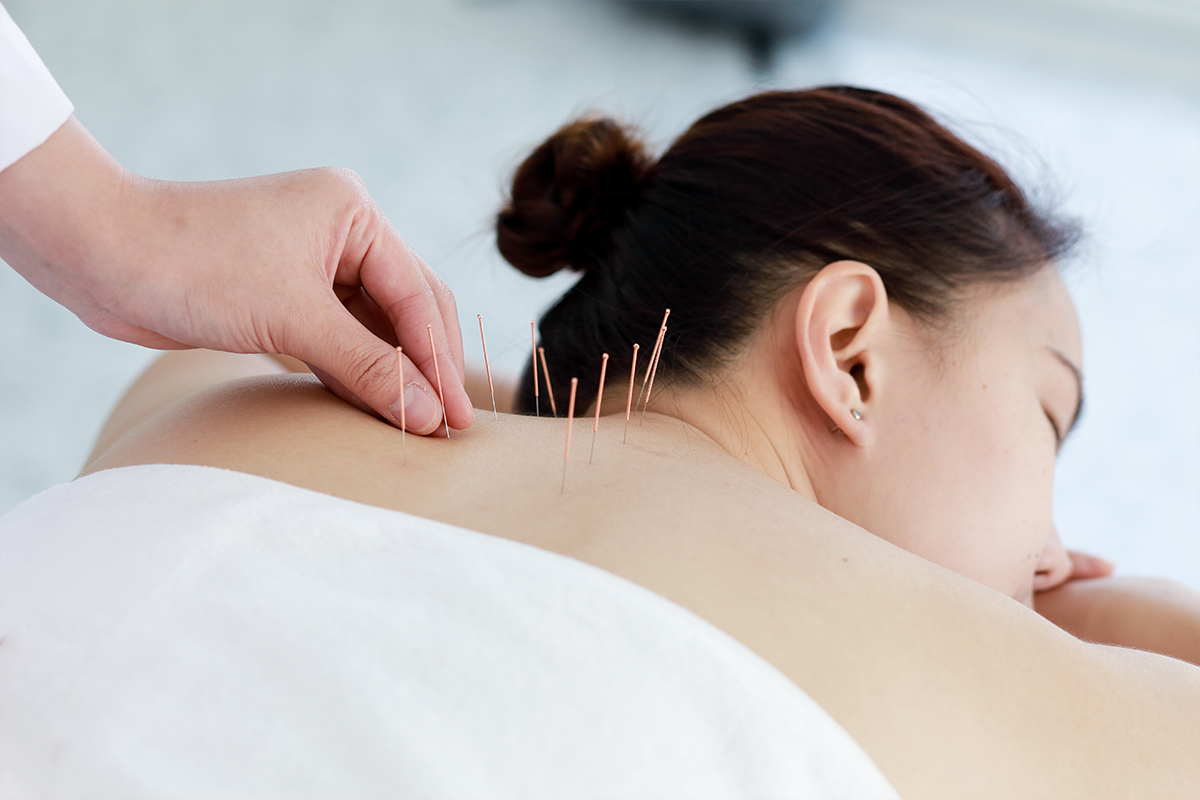
Traditional Chinese Medicine (TCM) has a long history of using natural remedies and techniques to support lung health. TCM practitioners believe the lungs are closely linked to the immune system and play a crucial role in maintaining overall health and well-being. Using a combination of acupuncture, herbal remedies, and lifestyle changes, TCM can help strengthen the lungs and improve respiratory function.
Acupuncture and Acupressure Points for the Lungs
Acupuncture and acupressure are two alternative medical practices used for centuries to promote natural healing. Both therapies involve stimulating specific points on the body, called acupoints or pressure points, to strengthen the body’s Qi flow and reduce pain or inflammation. Lung 1 and Lung 7 are two specific acupuncture and acupressure points that are believed to benefit the lungs.
Lung 1, or 中府 (Zhongfu), is located on the chest, three finger widths below the collarbone and between the two large chest muscles. Stimulating this point can help to clear phlegm from the lungs, relieve cough, and improve breathing.
Lung 7, also known as 列缺 (Lie que), is located on the wrist, on the thumb side of the arm, in a depression just above the styloid process of the radius bone. Stimulating this point can help open up the lungs, relieve coughing, and alleviate asthma symptoms.
TCM practitioners may use acupuncture needles or acupressure massage on these points to improve respiratory function and address specific respiratory conditions. These points are often combined with other acupuncture and acupressure points to create a customized treatment plan for each patient. It’s important to note that while acupuncture and acupressure can be effective ways to support lung health, the patient should always use them under the guidance of a qualified TCM practitioner.
Herbal Remedies and Teas to Support Lung Health
Herbal remedies and teas are excellent natural ways to support lung health. Herbs and teas have been used for centuries to treat various ailments in many ancient cultures, including respiratory system issues. For example, ginseng root nourishes our lungs, skin and stomach. American ginseng is preferred for lung health since it is a Yin tonic that is cooling in nature. In contrast, Asian ginseng is considered a Yang tonic that meets the criteria of being hotter. Astragalus, one of the most commonly used Chinese herbs, is thought to increase the immune system’s resistance to attacks by pathogens, which is ideal for individuals who have asthma or tend to sweat excessively or not enough. In the past, cordyceps mushrooms were thought to strengthen the breathing powers of athletes. It is good for those who regularly have weak lungs, cough, wheeze, and trouble breathing. It has natural antibodies that feast on many pathogenic bacteria and fungi. Moreover, Schisandra keeps our lungs moist by retaining clean lung fluid and is suitable for people with weak breath function.
Lifestyle and Dietary Recommendations for Supporting Lung Health
There are many ways to support your lungs and maintain their health, including dietary and lifestyle considerations. One important tip for maintaining lung health is to avoid cold raw foods as much as possible. Cold natural foods may be difficult for the body to digest, causing stress on the lungs and making it harder for them to function correctly. Getting enough rest and exercise; these activities can reduce stress on the lungs and help keep them working efficiently. In addition, eating plenty of fresh fruits and vegetables is also beneficial because they contain antioxidants that can help protect against inflammation in the lungs caused by environmental pollutants or other factors.
It is evident that the lungs are very important to our overall health, and TCM has been used for centuries to support lung health. Traditionally, One can use Chinese medicine to help treat respiratory illness, strengthen the immune system, and reduce inflammation. While incorporating TCM into your lifestyle may not replace modern medical treatments, it can contribute to an overall lung-healthy lifestyle. By combining traditional and contemporary medical therapies, we can all take steps to ensure the healthy functioning of our lungs.
Conclusion
The lungs play a critical role in our respiratory system, allowing us to breathe in oxygen and exhale carbon dioxide. Lung health is essential for overall health and well-being and can be supported through various TCM techniques. TCM views the lungs as a vital organ that governs the respiratory system and the body’s overall energy and immunity. By promoting lung health, TCM can help to improve overall energy levels, boost immunity, and prevent respiratory infections. TCM offers a variety of techniques to support lung health, including acupuncture, acupressure, herbal remedies, and lifestyle and dietary recommendations. By promoting lung health, TCM can help to boost overall health and well-being and prevent respiratory infections and other respiratory conditions. It’s important to work with a qualified TCM practitioner to develop a customized treatment plan for your individual needs.