


Blogs, Joint Pain, TCM
Clearing Dampness and Heat: A Unique Traditional Chinese Medicine Approach to Treating Knee Pain
Feb
TCM for Knee Pain: Understanding Dampness and Heat in Traditional Chinese Medicine
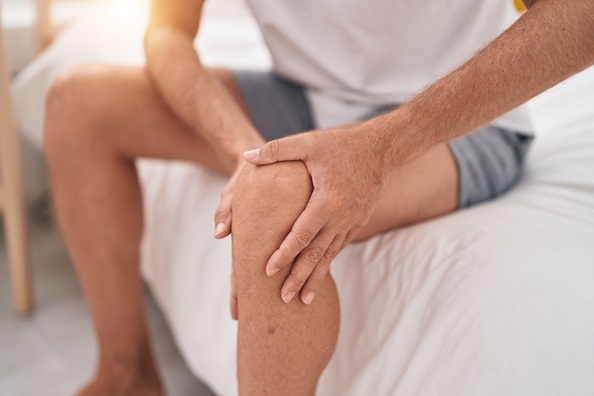
Knee pain is very common among older adults. As we age, our knee joints naturally face more stress and wear, which makes them more prone to discomfort. One major cause is arthritis, which affects more than 350 million people worldwide. It often reduces mobility and affects daily life. Osteoarthritis is the most common type. It occurs when cartilage breaks down in the knee joint, leading to pain and difficulty moving.
Traditional Chinese Medicine (TCM) offers a different and more holistic explanation. Instead of seeing knee pain only as physical degeneration, TCM describes it as an internal imbalance caused by accumulated dampness and heat. This article explores how these patterns contribute to knee discomfort and introduces TCM methods that may help clear dampness and heat.
Understanding Arthritis from a TCM Perspective
In TCM, arthritis is understood as a result of internal imbalances, especially the buildup of dampness and heat in the body. Dampness describes excessive moisture or fluid that slows the movement of Qi and blood. This stagnation can cause heaviness, swelling and aching joints.
Heat, on the other hand, refers to excess Yang energy. It may lead to inflammation, swelling and a warm sensation in the affected areas. TCM emphasises balance among Qi, Yin and Yang for overall health. When these elements fall out of harmony, issues such as arthritis may arise.
TCM also connects arthritis to disharmony within the Five Elements system.
The Five Elements—Wood, Fire, Earth, Metal and Water—are linked to specific organs, emotions and seasons. Imbalances in these elements may weaken certain body systems and contribute to joint discomfort.
The Role of Dampness in Arthritis
In TCM, dampness is considered a pathogenic factor that disrupts the body’s internal balance. It refers to excess moisture or fluid that the body cannot process effectively. Dampness can come from both internal and external sources. Internally, a weakened spleen may create dampness because the spleen is responsible for transforming and transporting fluids. Externally, humid environments, damp weather or diets high in dairy, greasy foods and raw or cold foods may also lead to dampness.
When dampness accumulates, it slows the flow of Qi and blood. This stagnation can cause heaviness, swelling, low energy and aching joints. These symptoms commonly appear in people experiencing knee pain.
Ways To Clear Dampness
Clearing dampness in TCM involves a combination of diet, herbal support and lifestyle habits. Diet plays an important role. It is best to avoid foods that create dampness, such as dairy, greasy or fried foods and excessive raw or cold foods. Instead, choose warm and cooked meals, along with aromatic herbs like ginger and cinnamon, which help strengthen the spleen and support digestion.
Herbal formulas may also be used to manage dampness. Some formulas include ingredients such as Cordyceps and Tangerine Peel, which help drain dampness, support urination and strengthen the spleen.
Lifestyle practices are equally important. Regular physical movement—such as Tai Chi, gentle stretching or meditation—helps improve circulation and metabolism. It is also helpful to keep your living space dry and well-ventilated to reduce excess dampness in your surroundings.
The Role of Heat in Arthritis
Heat is often described as fire or excess Yang energy in TCM. Heat can come from both external and internal sources. External heat may arise from hot weather, long exposure to the sun, or eating spicy and hot foods. These factors can raise heat in the body and affect various organs.
Internal heat develops for different reasons. Emotional stress, overwork and individual constitution may all contribute to internal heat buildup. When heat accumulates, it can affect the body’s systems and lead to symptoms such as inflammation, chronic discomfort and stiff joints. This connection explains why excess heat often worsens arthritis symptoms in TCM theory.
Ways To Clear Heat
There are several TCM methods to clear heat in the body. These include herbal support, acupuncture and dietary choices. Many cooling herbs, such as chrysanthemum, mung bean and honeysuckle, are commonly used to reduce internal heat. These herbs can be prepared as teas, soups or herbal decoctions to help cool the body and support balance.
Acupuncture also plays an important role in clearing heat. By stimulating specific points, acupuncture helps regulate Qi and blood flow. This process helps the body disperse excess heat and restore internal harmony.
Diet is another key factor. Eating cooling foods, such as cucumber, watermelon and leafy greens, can help reduce heat. It is best to avoid spicy, greasy and fried foods, as these can make heat symptoms worse. Combining herbal support, acupuncture and proper diet can gradually help reduce heat accumulation.
Chinese Herbal Remedies for Arthritis

Traditional Chinese herbal remedies have been used for centuries to support joint health and ease discomfort. Below are some commonly used herbs in TCM for knee pain and arthritis.
Du Huo (Pubescent Angelica Root)
Du Huo, also known as Radix Angelicae Pubescentis, is a warm and bitter herb that supports the kidney and bladder meridians. It is traditionally used to dispel wind, reduce dampness and ease discomfort. Du Huo is especially helpful when symptoms worsen in cold or damp weather. It is often used for stiffness and aching in the lower back and knees.
Huang Qi (Astragalus Root)
Huang Qi is a warm and sweet herb that supports the lung and spleen meridians. It is commonly used to tonify Qi and strengthen the body’s overall vitality. Huang Qi is often included in joint formulas to support energy, especially for individuals who feel fatigued or weak.
Huang Qin (Scutellaria Root)
Huang Qin is a bitter and cooling herb known for clearing heat and reducing dampness. It is traditionally used to ease internal heat signs that may affect the joints. Huang Qin can be consumed as a decoction or taken in pill or capsule form.
Boswellia
Boswellia is referred to as Indian frankincense and is a famous Chinese remedy for knee pain. This herb has gained recognition for its therapeutic properties, particularly in traditional Chinese medicine systems. This herb is renowned for its anti-inflammatory effects, making it a valuable natural remedy for conditions such as arthritis. It contains active compounds called boswellic acids, which inhibit pro-inflammatory enzymes, thereby reducing knee pain and stiffness. Boswellia is commonly used in the form of supplements, which are typically standardised extracts containing concentrated levels of boswellic acids. It can also be found in topical preparations such as creams or ointments for direct application to affected joints.
TCM Techniques for Knee Joint Support

TCM also includes therapeutic practices such as acupuncture, Tai Chi and Qigong. These methods have been used for centuries to support joint comfort and overall well-being. Each practice works in a different way to promote balance, clear dampness and heat and improve circulation. Below is a closer look at how each technique contributes to knee joint support.
Acupuncture
The effects of acupuncture on arthritis vary depending on the person and the severity of their condition. However, many studies report that acupuncture may help relieve knee discomfort. A review from the National Center for Biotechnology Information (NCBI) shows evidence that acupuncture can support pain reduction and improve physical function in people with knee osteoarthritis. Another review of systematic analyses also highlights its potential benefits.
Acupuncture works through the meridian system, where Qi and blood move through interconnected pathways in the body. Understanding these pathways can help explain why specific acupuncture points are selected for knee pain. If you want to learn more about meridians, you may also refer to our full guide on the TCM Meridian System.
In TCM, arthritis is often linked to blockages or imbalances in the flow of Qi and blood. By stimulating targeted points along the meridians, acupuncture helps restore this flow, ease discomfort and support joint mobility. It may also encourage the release of endorphins, the body’s natural chemicals that promote a sense of ease.
Tai Chi
Tai Chi is a mind–body practice that uses slow, gentle movements paired with deep breathing. Many people describe it as “meditation in motion.” Tai Chi helps improve balance, flexibility and muscle strength, which are important for supporting knee joint stability. Its calming effect also helps reduce stress, which may indirectly ease joint tension.
Tai Chi is rooted in TCM principles, including the balance of Yin and Yang and the smooth circulation of Qi. Because it encourages steady movement along the body’s meridian pathways, Tai Chi works well alongside other TCM practices.Regular Tai Chi practice helps promote relaxation, increase mobility and support overall well-being.
Qigong
Qigong is a holistic practice that combines slow movements, breathing techniques and mindful awareness. The goal of Qigong is to cultivate and regulate Qi, helping the body maintain balance and vitality. Many Qigong routines include gentle stretching, twisting and controlled breathing, which can help reduce stiffness and support joint mobility.
By improving circulation and calming the nervous system, Qigong helps ease muscle tension and promotes relaxation. It also complements other TCM approaches because it encourages smooth Qi flow throughout the body. Regular Qigong practice can support better flexibility, reduce discomfort and improve overall physical and mental well-being.
Conclusion
TCM offers a unique perspective on knee discomfort by addressing underlying patterns such as dampness and heat. Through dietary adjustments, herbal support and mind–body practices like acupuncture, Tai Chi and Qigong, you can help maintain balance and support overall joint wellness.
When selecting herbal products, it is important to choose trusted and well-established distributors. At Tong Jum Chew, we offer a wide range of traditional herbal formulas suitable for daily bone and joint support. You may explore our Bone & Joint Support Collection to discover more options, or browse all products from our official online store for comprehensive wellness essentials.
Among our commonly selected daily wellness products, many individuals choose the Nature’s Green Bone & Joint Health Tablets (60s) and Nature’s Green Collagen II GAG Tablets (60s) as part of their long-term routine to support nourishment and mobility.
We also offer a variety of traditional concentrated herbal formulas that may be suitable for those experiencing knee discomfort. The ideal choice depends on personal constitution, lifestyle and individual needs. For a wider range of wellness categories, feel free to visit our homepage and explore the full selection available online. Our team is always ready to help guide you toward options that align with your wellness goals.