


TCM
The Six Excesses in Traditional Chinese Medicine: Unlocking the Secrets to a Balanced Body

Jul
In the ancient world of Traditional Chinese Medicine (TCM), maintaining good health relies on achieving balance. TCM practitioners firmly believe that the smooth and harmonious flow of the body’s vital energy, referred to as Qi in Chinese, is essential for optimal well-being. To better understand the underlying causes of illnesses and guide effective treatment approaches, TCM categorises imbalances through the concept of the six excesses. This article will delve into the six excesses in TCM, exploring their causes, symptoms, and the common herbal remedies used for treatment and prevention. Read on to gain insights into this fascinating aspect of TCM.
Introduction
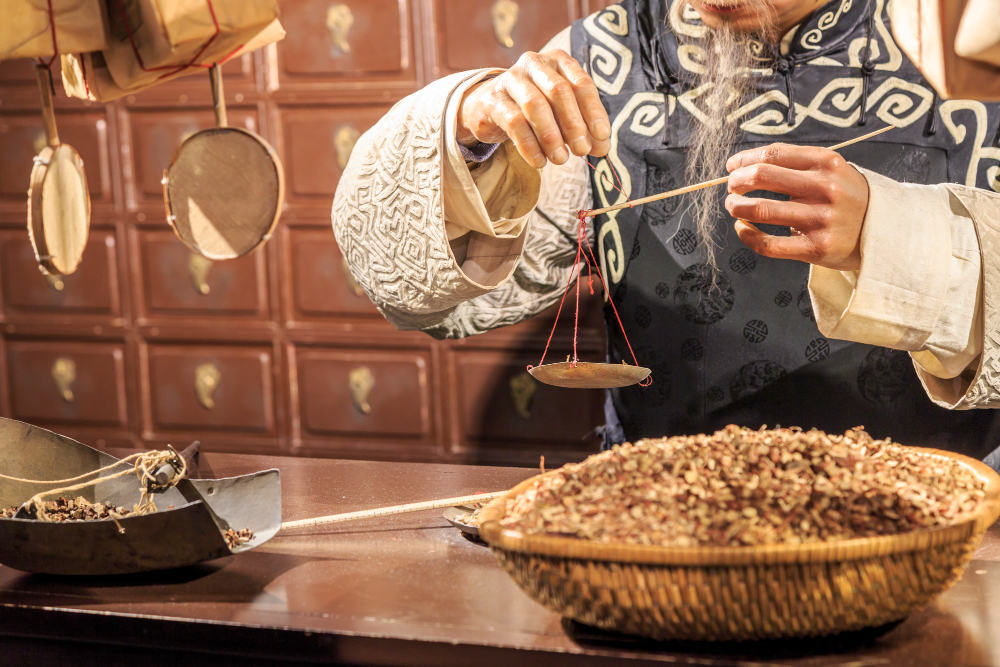
As mentioned, TCM places great importance on achieving and maintaining Qi in the body. When your body is balanced, it helps to nourish all organs and systems. The foundation of TCM lies in Yin and Yang, representing opposing yet complementary forces. Yin represents coolness, darkness, and rest, while Yang represents warmth, light, and activity. The six excesses, also known as Liu Yin, are specific imbalances that can occur within the body and disrupt the delicate equilibrium of Yin and Yang. These excesses manifest as wind, cold, heat, dampness, dryness, and summer heat. They are characterised by their connection to the theory of the five circuits, which correspond to the five elements: wood, fire, earth, metal, and water. The inclusion of these excesses in TCM enables a metaphorical understanding of their actions within the body, drawing parallels to the ever-changing qualities of weather. Similar to how weather conditions fluctuate, the intricate functioning and balance of your body can be influenced by various factors.
The 6 Excesses
Each excess is associated with specific symptoms and imbalances in the body, and TCM offers various herbs and remedies to address these imbalances and restore harmony. Let’s explore each excess in detail:
Wind Excess
Have you ever had the experience of suddenly developing cold or flu symptoms that seem to come out of nowhere? TCM practitioners have discovered that these types of illnesses are often caused by an imbalance of wind energy in the body, which they refer to as wind excess. Exposure to strong winds or abrupt weather disrupts the smooth flow of Qi in the body, resulting in a problem along the liver meridian like a gust of wind passing by. This imbalance of wind energy can affect the throat, head, and upper respiratory system, leading to symptoms such as headaches, congestion, and fatigue. If you reflect on your previous experiences with a cold, you may notice that it initially started with sinus congestion and eventually progressed to a wet cough, affecting your chest. This progression is attributed to the transformative nature of wind illnesses.
In TCM, there are certain herbs commonly used for treating and preventing wind excesses, such as Chrysanthemum Flower (Ju Hua), Notopterygium Root (Qiang Huo), and Gastrodia Rhizome (Tian Ma). These herbs have cooling properties and are often employed to alleviate symptoms associated with wind excess and promote the balance of Qi in the body.
Cold Excess
According to TCM principles, cold is considered a Yin pathogenic factor that can negatively affect the body’s Yang energy. It has a stagnant nature which can attract other illnesses. Cold tends to slow down your bodily functions, constrict muscles, and hinder circulation, further impacting the flow of Qi in the body. You can see the signs such as feeling excessively cold, shivering, aversion to cold temperatures, a pale complexion, cold extremities (such as cold hands and feet), muscle stiffness, and reduced energy levels.
The factors contributing to cold excess include environmental exposure, such as prolonged exposure to cold weather, and an improper diet that involves consuming excessive cold or raw foods and beverages. Ginger (Sheng Jiang) is known for its warming nature and is used to dispel cold symptoms and improve circulation. Similarly, Cinnamon (Rou Gui) is also frequently used in TCM for its strong warming properties, which can help alleviate the effects of cold excess.
Heat Excess
Heat excess is like a blazing bonfire within your body, disrupting the delicate balance of energies. It can occur when your body is exposed to excessive heat. Factors such as hot weather, hot and spicy foods, alcohol consumption, and emotional stress can contribute to heat excess. When there is too much heat in your body, you will feel sweating, fatigue, yellow urine, yellow tongue, or sudden fainting. The concept of heat excess in TCM is closely related to the principles of Yin and Yang. Heat is considered a Yang pathogenic factor that can disrupt the body’s harmony between Yin and Yang energies. Excessive heat can consume Yin energy, leading to imbalances in the body’s overall Qi flow.
To address heat excess, TCM treatments commonly use cooling herbs and formulas to reduce excessive heat and restore Yin. Among these, Mung Bean (Lu Dou) is the famous clearing heat Chinese medicine and is always prepared as tea or added to soups and dishes. Besides that, Peppermint (Bo He) also can help clear heat from your body, which is particularly useful for dissipating heat from the head and throat. It can be brewed as tea or as an ingredient in herbal formulas.
Dampness
Dampness refers to the accumulation of excessive moisture or humidity in the body. It can result from factors such as consuming greasy or fatty foods, exposure to damp weather, or a weak spleen function. Imbalances in other organs, such as the kidneys or lungs, can also contribute to dampness development. The excess wetness associated with dampness can make you feel heavier and slower, similar to the sensation of wearing wet clothing. When dampness is present in the body, you may experience symptoms such as a feeling of stickiness, bloating, oedema (swelling), cloudy urine, and a slippery pulse. It can potentially impact Qi by obstructing its flow and causing stagnation. When dampness accumulates, it creates a heavy and sluggish quality that hinders the free movement of Qi.
TCM practitioners have discovered some herbs commonly used for clearing dampness in the body, including Cordyceps (Chong Cao) and Tangerine Peel (Chenpi). Cordyceps is a highly regarded medicinal mushroom known for its adaptogenic properties. While it is not considered a direct herb for clearing dampness, Cordyceps can indirectly support the resolution of dampness by tonifying the lungs and kidneys, aiding in eliminating toxins and enhancing overall vitality. While Tangerine Peel is the dried peel of mature tangerine fruits. With its warm and drying nature, TCM frequently employs it to transform and eliminate dampness. Tangerine Peel helps regulate Qi flow, aids digestion, and reduces bloating and phlegm associated with dampness.
Dryness
Dryness in traditional Chinese medicine is often associated with a lack of moisture or fluids in the body. It can be considered a continuation or evolution of the dehydration experienced in heat-related conditions. Dryness resembles the characteristics of the autumn season, where there is a physical drought-like state. When dryness occurs, there is a significant depletion of natural bodily fluids, leading to various symptoms. These may include constipation, dry coughs, dry skin, and an intense sensation of thirst. It can be caused by environmental factors such as dry weather, low humidity, excessive air conditioning or heating systems exposure, or staying in dry environments for extended periods. Certain medications, chronic diseases, and ageing can also contribute to dryness. It’s important to note that there is a distinction between heat and dryness in terms of how dehydration takes place. Heat tends to cause the evaporation of fluids due to increased body temperature. In contrast, dryness occurs when there is a general lack of fluid supply, resulting in the gradual depletion of bodily moisture. Prolonged dryness can deplete the body’s Qi reserves. Qi is nourished by the fluids and moisture in the body. When dryness causes a lack of moisture, it can result in a deficiency of Qi.
However, dryness can be treated with natural remedies such as Ophiopogon Root (Mai Men Dong), Lily Bulb (Bai He) and Chinese Asparagus Root (Tian Men Dong). These natural remedies work synergistically to provide hydration and restore balance in the body. By nourishing Yin and promoting the production of body fluids, they help alleviate dryness-related discomfort and restore moisture to the affected areas.
Summer Heat
Summer heat is a distinct type of excess that differs from the internal causes of dehydration mentioned earlier. It is primarily associated with excessive exposure to the sun, leading to conditions like sunstroke or extreme insolation. If you reside in a region with long, hot days and prolonged sun exposure, you are more susceptible to experiencing the excess of summer heat. It’s associated with high fever, thirst, headache, dizziness, irritability, red face, and a rapid pulse. Some individuals may also experience nausea and profuse sweating. While the summer heat is not directly linked to internal imbalances, it can pose significant risks if left untreated.
Prunellae Spica (Xiakucao) is a highly recommended herb in TCM to prevent or treat summer heat, as it has a cooling effect and helps reduce body temperature. When the body experiences symptoms of summer heat, such as feeling overheated, thirsty, and restless, Prunellae Spica can be used to alleviate these discomforts. It is believed to have a cooling effect that helps to reduce body temperature, soothe inflammation, and relieve symptoms associated with excessive heat exposure.
Conclusion
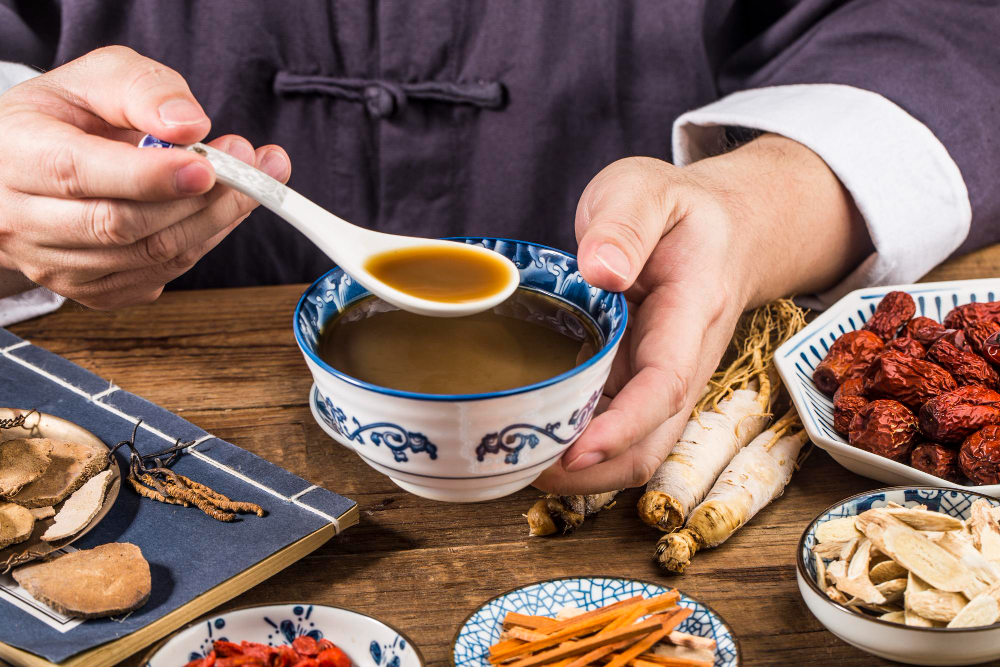
Understanding the six excesses in TCM provides valuable insights into the imbalances that can disrupt the body’s natural harmony. By recognising the causes, symptoms, and impacts of these excesses, you can take proactive steps to prevent and address health issues. TCM offers a range of herbal remedies to restore balance and promote overall well-being.
When it comes to finding herbs that can alleviate the six excesses in Singapore, Tong Jum Chew is a perfect choice. Tong Jum Chew has a rich history, starting as a medical hall in 1965 and becoming a well-known wholesaler and distributor of TCM products since the 1980s. Whether you’re dealing with wind excess, cold excess, heat excess, dampness, dryness, or summer heat, we have the expertise and herbal products to assist you.