


Blogs, TCM
3 Essential Pre–Chinese New Year Tips: Care for Your Liver, Protect Your Lungs, and Boost Immunity to Welcome the Year Ahead
Feb
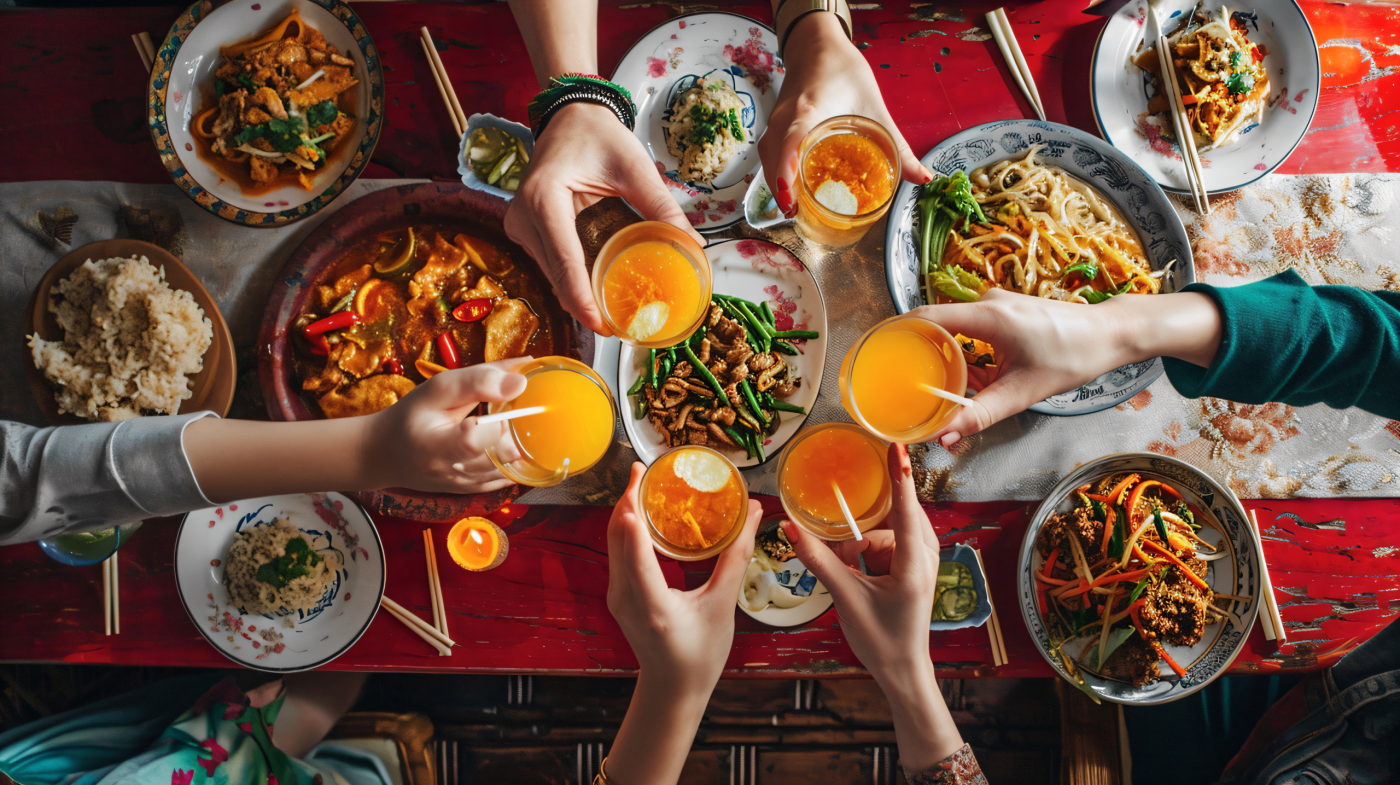
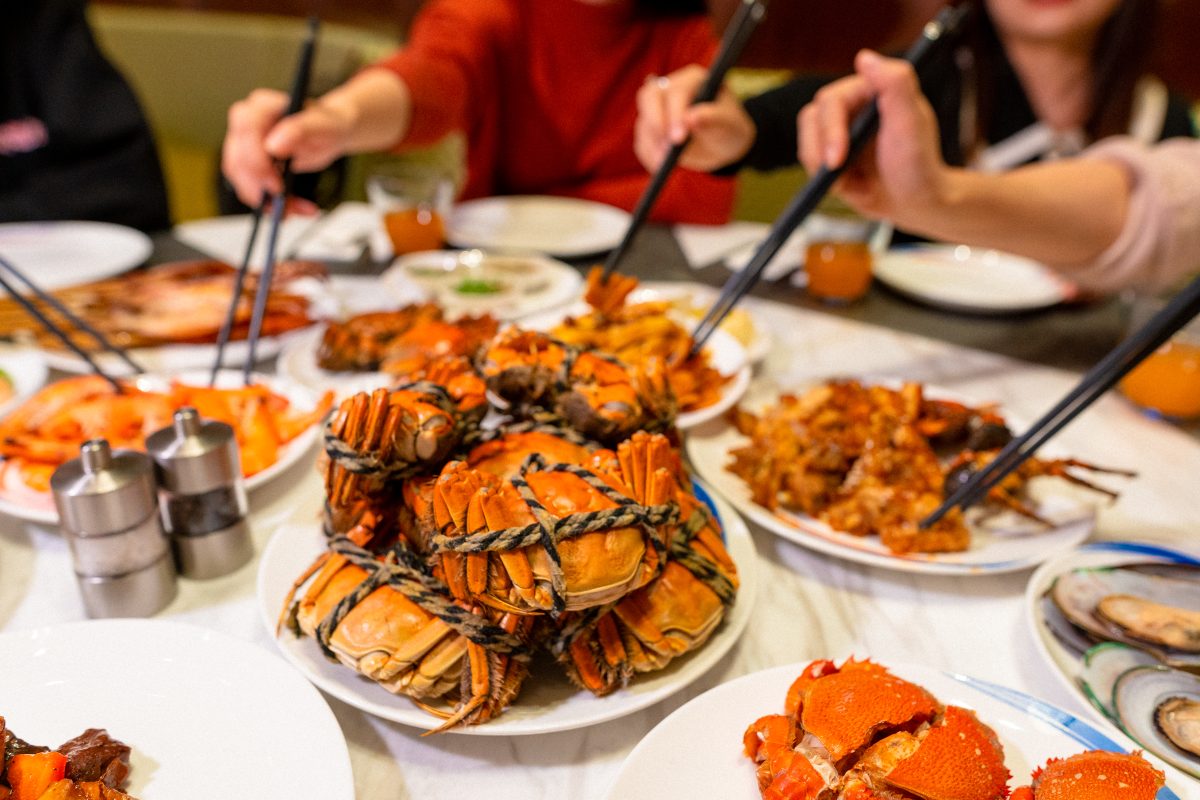
Preparing your body before Chinese New Year is a step that many Chinese families in Singapore and Malaysia tend to overlook. Even before the first day of the festivities arrives, people have already started shopping for festive treats, sampling bak kwa, attending reunion dinners, and joining company year-end gatherings. Without realizing it, daily routines become much more packed than usual.
With meals becoming more frequent, food choices getting richer, and bedtime shifting later, the body is suddenly required to adapt to several changes within a short period of time. If we don’t make small adjustments early, it’s common to experience fatigue, throat dryness, and a heavier digestive load.
In our local environment, many people notice something very familiar: “The festive mood hasn’t fully arrived, but my body already feels tired.”
This isn’t caused by one particular food—it’s often the result of a lifestyle shift happening all at once, such as:
- Company year-end dinners and gatherings happening more often
- Stocking up on festive supplies, buying pastries, and tasting bak kwa
- The fridge gradually filling up with preserved meats and steamboat ingredients
- Weekends spent dining out or visiting relatives
- Evenings used for cleaning, decorating, and preparation—leaving less time to rest
When eating frequency, food types, and daily pace change at the same time, the body needs time to adjust. That’s why many people start noticing common signs that don’t quite feel like “being sick,” but still signal imbalance, for example:
- Feeling greasy or heavy after eating small amounts
- A dry throat or discomfort after prolonged talking
- Sleep that feels lighter than usual
- Waking up less refreshed than normal
- A sense of tiredness mixed with internal “heatiness” or dryness
These are simply the body responding to a sudden increase in dietary load and festive pace.
From a Traditional Chinese Medicine (TCM) perspective, this is often related to richer diets, changes in routine, and qi (vital energy) not yet flowing smoothly. In other words, the body hasn’t fully “switched into festive mode,” even though life has already sped up.
That’s why the key to preparing your body before Chinese New Year is not waiting until discomfort becomes obvious. Instead, it’s about making practical lifestyle and wellness adjustments early—so your body can adapt gradually and stay more balanced throughout the festive period.
First Step: Support the Liver — So Busyness Doesn’t Turn into Internal “Stagnation”
Many people assume that festive discomfort is simply caused by overeating. But in TCM, what matters just as much is whether the body’s qi is moving smoothly.
The weeks leading up to Chinese New Year are often among the busiest of the year:
-
Work needs to be completed before the holidays
-
Household responsibilities become concentrated
-
Schedules get tightly packed
-
There’s excitement, but also pressure
In TCM theory, the liver governs the smooth flow of qi throughout the body. When life suddenly becomes hectic, the body may not regulate quickly enough, which can lead to what many people describe as “heatiness.”
When the pace speeds up and qi doesn’t keep up, it may show up as:
-
Feeling more irritable or short-tempered
-
Discomfort after meals
-
Restless or light sleep
-
A sense of fullness, tightness, bloating, or internal warmth
This is why some people feel like they’re already “heaty” before Chinese New Year even starts. Supporting the liver here doesn’t mean heavy supplementation—it’s about helping the body regain rhythm and flow.
Many people think “heatiness” can only be managed by “cooling” remedies. But from a TCM point of view, what’s more common before Chinese New Year is qi stagnation—being busy, rushing, and socializing more than usual can disrupt the body’s natural “pace regulator.”
5 Practical Liver-Support Tips You Can Start Today
1) Snack with a schedule, not all day
The easiest way to feel uncomfortable is constant snacking throughout the day.
What to do: Pick a fixed snack window—e.g., 2–5 PM—and avoid eating bak kwa or cookies “while working” outside that period.
2) Give your digestion a buffer after rich meals (steamboat, BBQ, heavier dishes)
What to do: Take a 10–15 minute walk after meals instead of sitting down immediately and continuing to snack.
3) Leave yourself a 20-minute “slow-down” time at night
What to do: After showering, avoid scrolling your phone late into the night.
Try a “pre-CNY rule”: No phone 20 minutes before lights out—sleep often becomes noticeably deeper.
4) When you feel tense, use a longer-exhale breathing rhythm
What to do: Inhale for 4 seconds, exhale for 6 seconds, repeat for 2–3 minutes.
It’s one of the simplest ways to help the body “unclench” and restore flow.
5) If you often feel bloated, tense, or irritable, consider gentle qi-regulating support
Warm, qi-supportive beverages are often more suitable than iced drinks during this period. For example:
-
Mandarin peel (chen pi) in warm water
-
Lightly roasted grain teas
-
Mild aromatic herbal teas traditionally used to support digestion and circulation
For those who naturally feel more bloated, emotionally tense, or easily “stuck,” some people may also choose a TCM approach that focuses on regulating qi (疏肝理气) to help the body adapt more smoothly to the festive pace. If you’d like to explore our “qi-regulating” support options and formulation notes, you can view our guide here: [Qi-Regulating Support Series]
When purchasing traditional products, it’s best to choose reputable sources with clear ingredient labeling and transparent information. Singapore’s Health Sciences Authority (HSA) also provides guidance on the regulation and safety of traditional medicines.
Second Step: Support the Lungs — Managing the “Dryness” That Comes From Talking, Snacking, and Air-Conditioned Rooms
During the festive season, most families are rarely sitting quietly. The living room air-conditioning is often on for long hours while everyone chats, visits, laughs, snacks, and hosts guests—sometimes for half a day at a time. Evenings may continue with dinner gatherings, steamboat, or more social events.
This festive rhythm commonly leads to one very familiar feeling: dryness.
You may notice:
- A dry throat
- A hoarse or “rough” voice
- Feeling like you need to drink water constantly
This isn’t necessarily a cold. In many cases, it’s simply because the body has been “used” more than usual—especially in a dry environment with frequent talking and snack-heavy eating. In TCM terms, this relates to insufficient fluids (津液) and dryness affecting the lungs, which is why “supporting the lungs” often focuses on maintaining moisture and nourishment, rather than waiting until discomfort becomes obvious.
Supporting the lungs doesn’t mean you only do something when your throat feels bad—it means maintaining hydration and gentle nourishment early, so your body stays comfortable throughout the festive period.
5 Practical Ways to Support the Lungs During Chinese New Year
1) Avoid iced drinks when visiting
What to do: Keep a bottle of warm water with you.
Cold drinks can feel soothing temporarily, but many people find their throat becomes drier later.
2) Pair “bak kwa + festive pastries” with something that moisturises
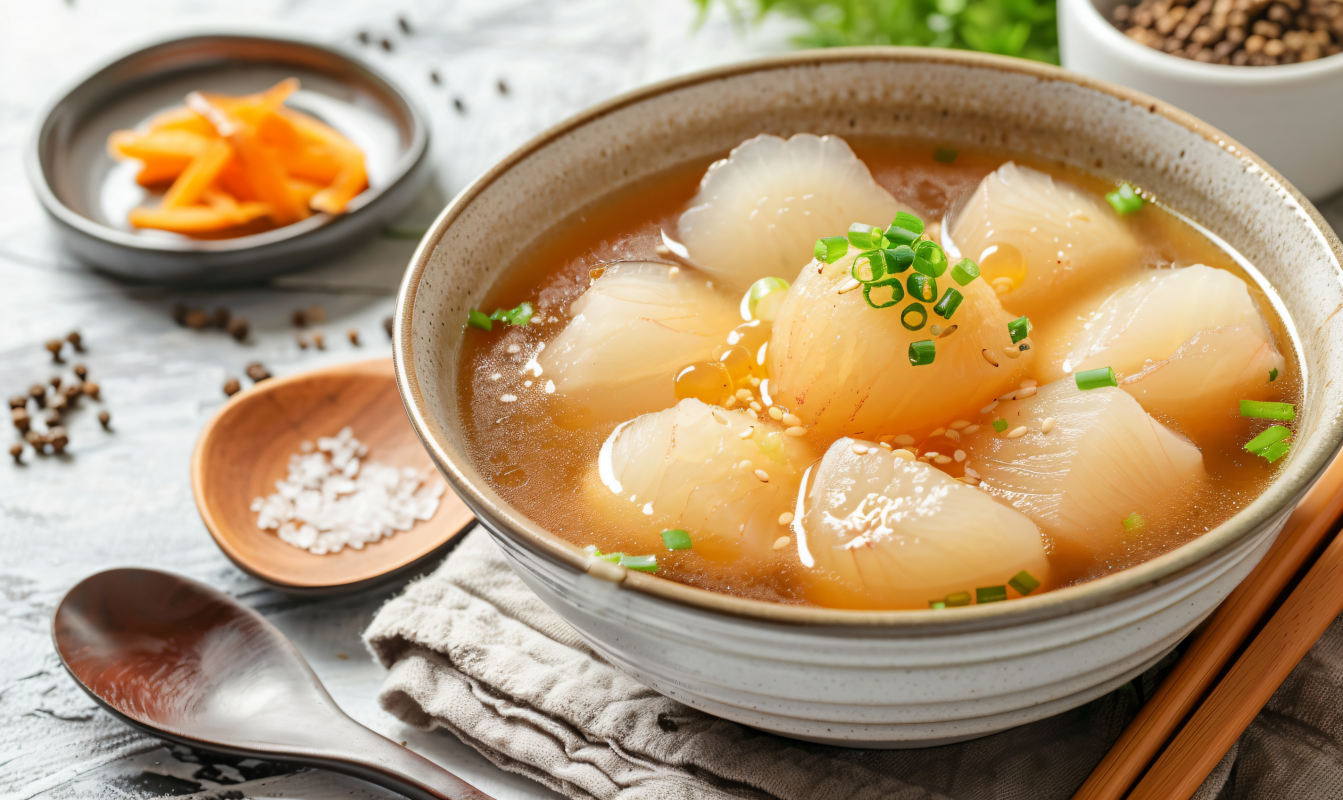
What to do: When snacking, add one “moist” companion item—such as fruit, a warm drink, or a light, soothing soup.
3) Reduce caffeine slightly on heavy-talking days
What to do: You don’t have to cut coffee completely. Just avoid the combination of coffee + snacks + air-conditioning all at once—this pattern often makes dryness worse.
4) Add a small “throat-care ritual” at night
What to do: Warm water + earlier sleep.
On days when you talk a lot, sleep is one of the best ways to restore comfort and balance.
5) If you often feel dry or hoarse, prepare with a gentle “moistening + nourishing” approach
If your biggest worry during Chinese New Year isn’t weight gain, but “my throat starts feeling uncomfortable after talking for a few hours,” you’ll usually do better with a gentle moistening, yin-nourishing, and fluid-supporting approach.
Start with the simplest habit first: sip warm water in small amounts throughout the day, instead of waiting until you’re very thirsty and then drinking a lot at once.
You may also consider mild, balanced combinations often used in TCM lifestyle care (not harsh, not overly cooling), for example:
-
Chrysanthemum + goji berries (clear yet gentle; suitable after long screen use or extended talking)
-
Ophiopogon (Mai Men Dong)–style moistening support (often chosen when dryness and hoarseness are more noticeable)
-
A small amount of dried mandarin peel (Chen Pi) to balance the formula (helps prevent “too rich” or “too heavy,” and supports digestive flow)
Key point: Aim for moistening without being overly cooling—overdoing “cooling remedies” can sometimes strain digestion, especially during the festive season. We’ve summarised our lung-support product options and who they’re most suitable for here: Lung Support Wellness Products.
Third Step: Strengthen Vital Qi — Support Resilience and Energy So You Can Enjoy the Festivities (Without Feeling Drained)
For many people, the biggest post–Chinese New Year complaint isn’t weight gain—it’s exhaustion. That’s because what gets consumed isn’t only digestion—it’s also the body’s regulation and recovery capacity. A few consecutive days of intensive social activity, irregular sleep, and heavier meals can leave the body feeling “overdrawn.”
In TCM, this overall capacity is often described as Zheng Qi (正气)—the body’s ability to stay balanced, resist fatigue, adapt to change, and recover efficiently.
Without a good foundation, after several dense festive days you may notice:
- Lower energy and motivation
- Appetite becoming irregular
- Sleep schedule taking a long time to normalise
This is why “strengthening Zheng Qi” is not about aggressive tonics, but about helping the body maintain enough reserve to handle a busier rhythm.
6 Practical Ways to Strengthen Vital Qi During Chinese New Year
1) Make your first meal stable
What to do: Don’t rely only on sweets or coffee for breakfast. Include protein + warm food so the day starts steady.
2) Leave one “lighter” meal between gatherings
What to do: This is not fasting. Simply keep one meal cleaner, more regular, and less rich—recovery becomes noticeably easier.
3) Don’t schedule your visiting itinerary too tightly
What to do: Leave a daily buffer—even 1–2 hours. Most people feel a big difference in energy when their day has space.
4) Sleep is the core of recovery
What to do: It’s fine to sleep later during the festive period, but avoid multiple late nights in a row.
A practical rule: Two late nights → the third night, sleep 30–60 minutes earlier.
5) If you’re the “tired and slow-to-recover” type, consider a gentle spleen-and-qi support direction
If you’re the kind of person who enjoys the festivities but “runs out of battery quickly,” you’ll often do better prepare with a qi-supporting, spleen-supporting (健脾补气), foundation-building approach.
Simple lifestyle anchors that match this approach:
- Eat a warm, substantial breakfast (rather than coffee/sweets only)
- Take a short walk after meals (a simple digestion-support habit)
- Prioritise rest—TCM often considers sleep one of the most direct “qi-restoring” habits
We’ve organised our vitality and foundation-support options here: Qi & Spleen Support Products.
For people with higher day-to-day energy demands, those who fatigue easily, or those who want to maintain steadier stamina during the festive period, some choose a cordyceps-based gentle wellness approach as part of daily routine—focused on supporting overall vitality and resilience in a balanced way.
As part of a gentle wellness routine, cordyceps-based formulas like Nature’s Green Super Cordyceps Capsules and Nature’s Green American Ginseng Plus Cordyceps Capsules are also commonly chosen by those who want steadier energy support during a busy festive schedule—especially when paired with stable meals and better sleep.
FAQ
Q1: When is the best time to start preparing your body before Chinese New Year?
Ideally, start 7–14 days in advance. The goal is to help your body adjust to a different pace and routine—not to “fix” a symptom at the last minute.
Q2: Does that mean I shouldn’t eat bak kwa or festive cookies at all?
No need to completely avoid them. The key is not to snack continuously throughout the day. Choose a fixed time window, keep portions small, and your body will usually feel much more comfortable.
Q3: Why do I get constipation or breakouts during Chinese New Year?
This is commonly linked to richer foods + less water + a disrupted sleep schedule. Start with the basics first: more regular meals, warm water, and reducing back-to-back oily/sugary foods before moving on to more targeted wellness support.
Q4: If my throat feels dry easily, does it mean I’m “heaty”?
Not always. Many times it’s simply dryness from air-conditioning, more talking, and dry snacks. A gentle lung-support and moisture-maintaining approach tends to fit better than overly “cooling” remedies that may burden digestion.
Q5: I struggle to recover after the festive season—what should I do?
Try these three anchors:
(1) a steady breakfast, (2) slightly earlier sleep, and (3) one lighter, more regular meal between gatherings. Many people feel a noticeable improvement within 3–5 days.
A Smooth Chinese New Year Starts With Preparation, Not Restriction
Preparing your body before Chinese New Year is simply about helping your body get ready for the festive rhythm.
Chinese New Year isn’t about “cutting out joy.” It’s about making sure your body has the capacity to enjoy it.
When you adjust your pace early—snacking no longer happens from morning till night, meals have a little buffer afterwards, you remember to hydrate in air-conditioned rooms, and you avoid too many late nights in a row—you’ll often find that the same festive foods and celebrations feel much easier on the body.
-
Supporting the liver helps you feel less “stuck,” less tight, and less irritable.
-
Supporting the lungs helps you stay comfortable even with long hours of talking and hosting.
-
Strengthening vital qi supports resilience so you can recover faster after the celebrations.
This is a practical, pre-festive approach that suits Chinese families everywhere—helping you stay balanced so you can:
✅ Enjoy food and still digest well
✅ Stay active and recover faster
✅ Feel comfortable and steady even in a busy, festive environment
When your body is ready, Chinese New Year feels less like a strain—and more like what it should be: a joyful time of reunion and warmth.